


Vomiting in dogs is quite common, so pet parents need to monitor their furry friends closely. While vomiting doesn’t always indicate a serious issue, it can be a sign of an underlying problem.
That’s why having some basic knowledge about dog vomiting is essential. Knowing when it’s something mild or when it’s time to seek veterinary care can make a big difference.
Generally, vomiting should not happen every day. In most cases, a dog will recover on their own within about 6 hours. But if the vomiting continues beyond that, it’s best to take your pup to the vet to ensure their safety and well-being.
Let’s take a look at some vomit colors you should be aware of!
🟡 Yellow

Yellow vomit often appears when a dog has an empty stomach for too long, and bile begins to rise. While not always a cause for concern, if it happens frequently, try feeding your dog more regularly or offering a small meal before bedtime. If it still persists, it might be a sign of gastritis or other digestive issues and should be checked by a vet.
🟢 Green
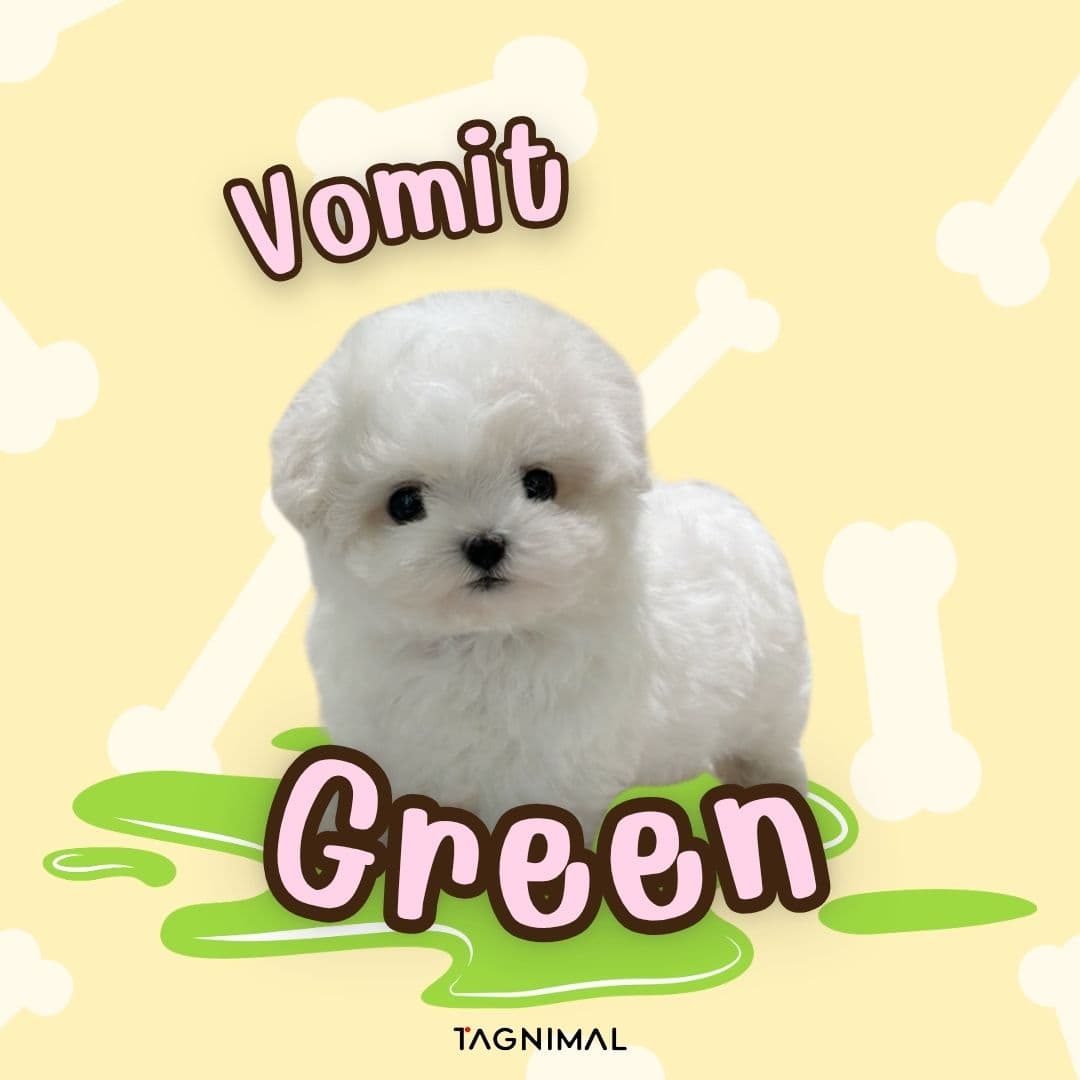
Green vomit can also be bile, but sometimes it means your dog has eaten grass. This could cause irritation or even choking if the grass doesn’t pass through smoothly. If your dog keeps vomiting or seems unwell, it’s time to see the vet.
🤎 Brown or With Undigested Food
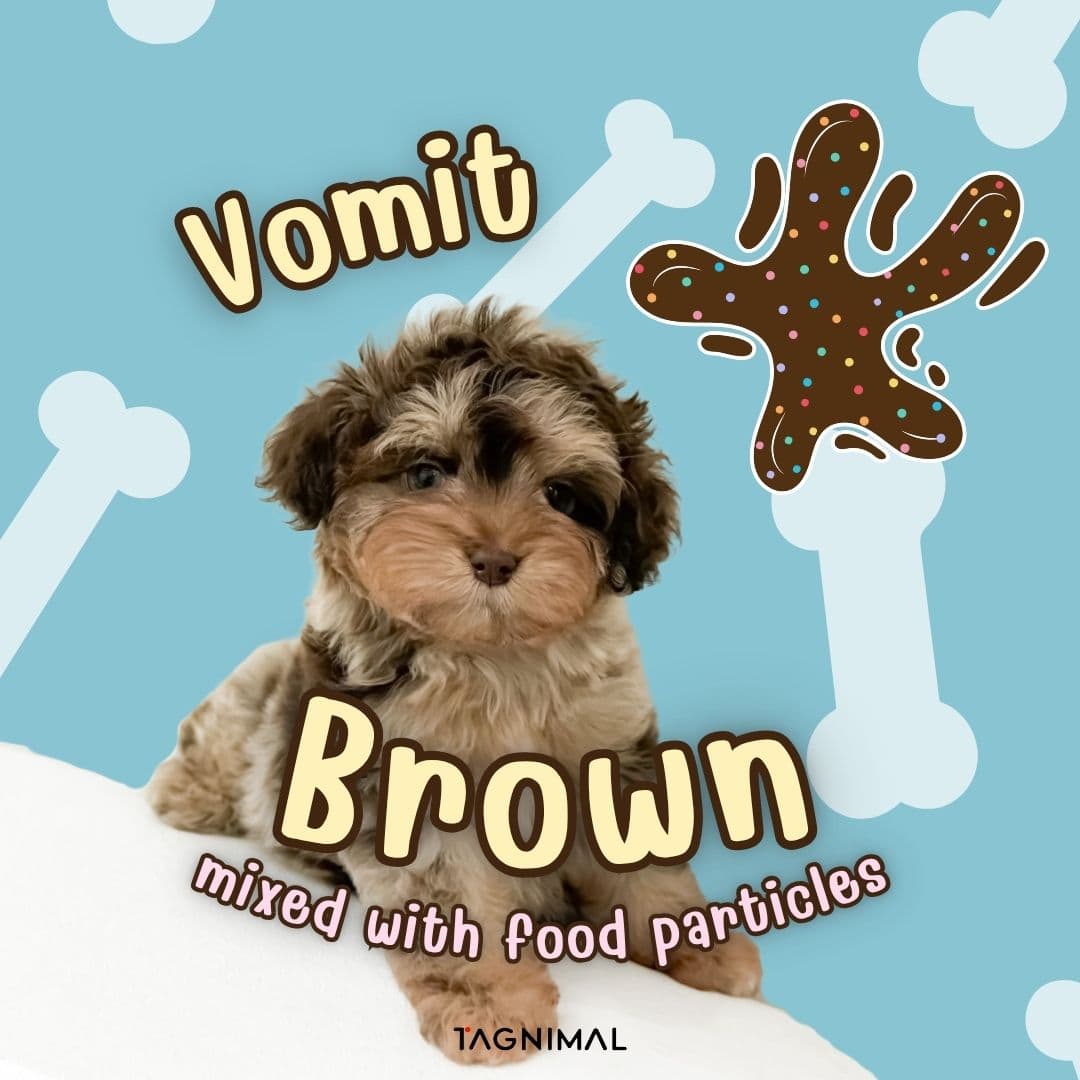
This often points to indigestion, especially if your dog eats too quickly. It may also indicate stomach inflammation. Try using a slow feeder or offering smaller, more frequent meals. If things don’t improve, consult your vet.
🔴 Red or Blood-Tinged
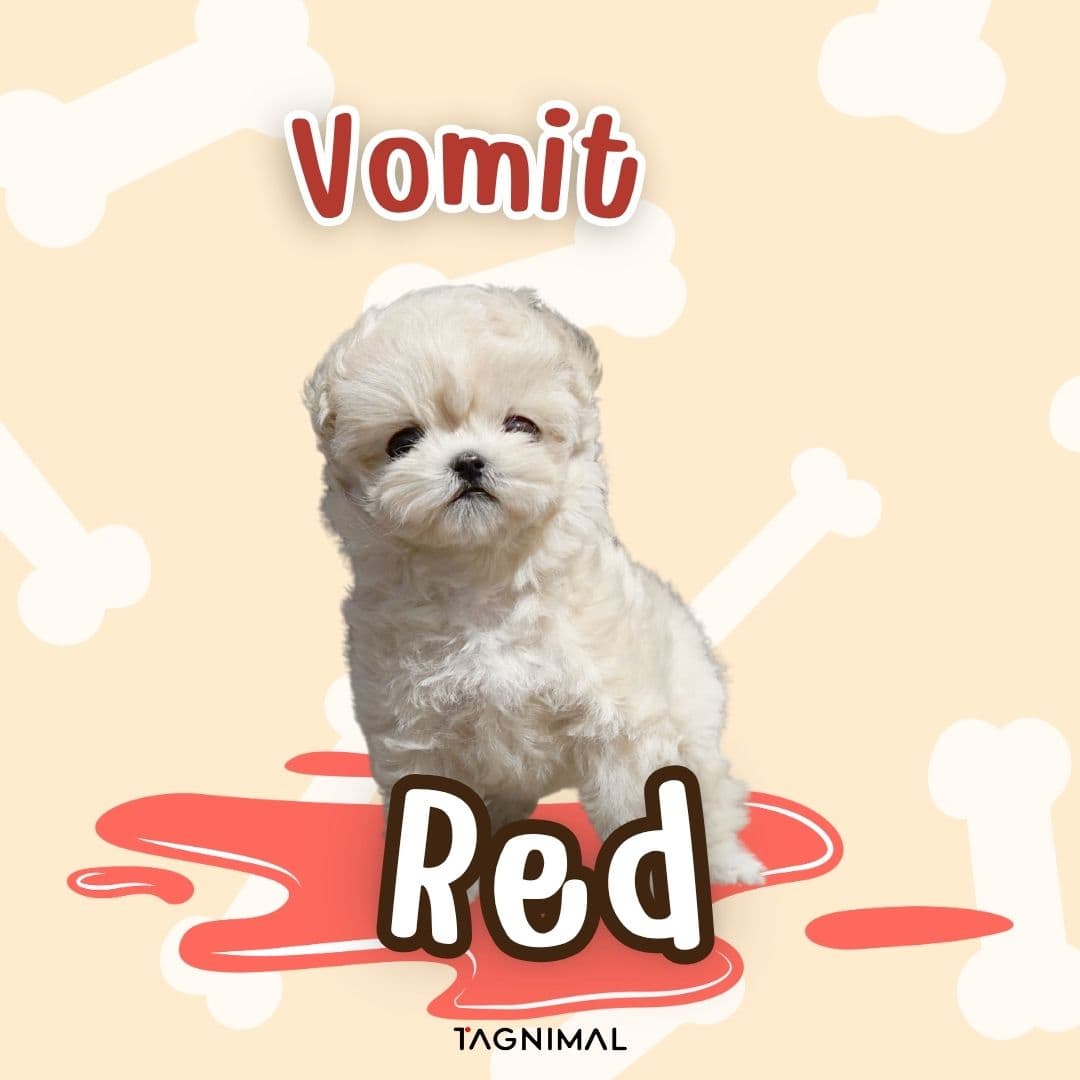
Red vomit should always be taken seriously. It could be caused by stomach ulcers or from excessive, forceful vomiting that tears blood vessels in the esophagus. This needs immediate attention from a veterinarian.
⚫ Black or Dark
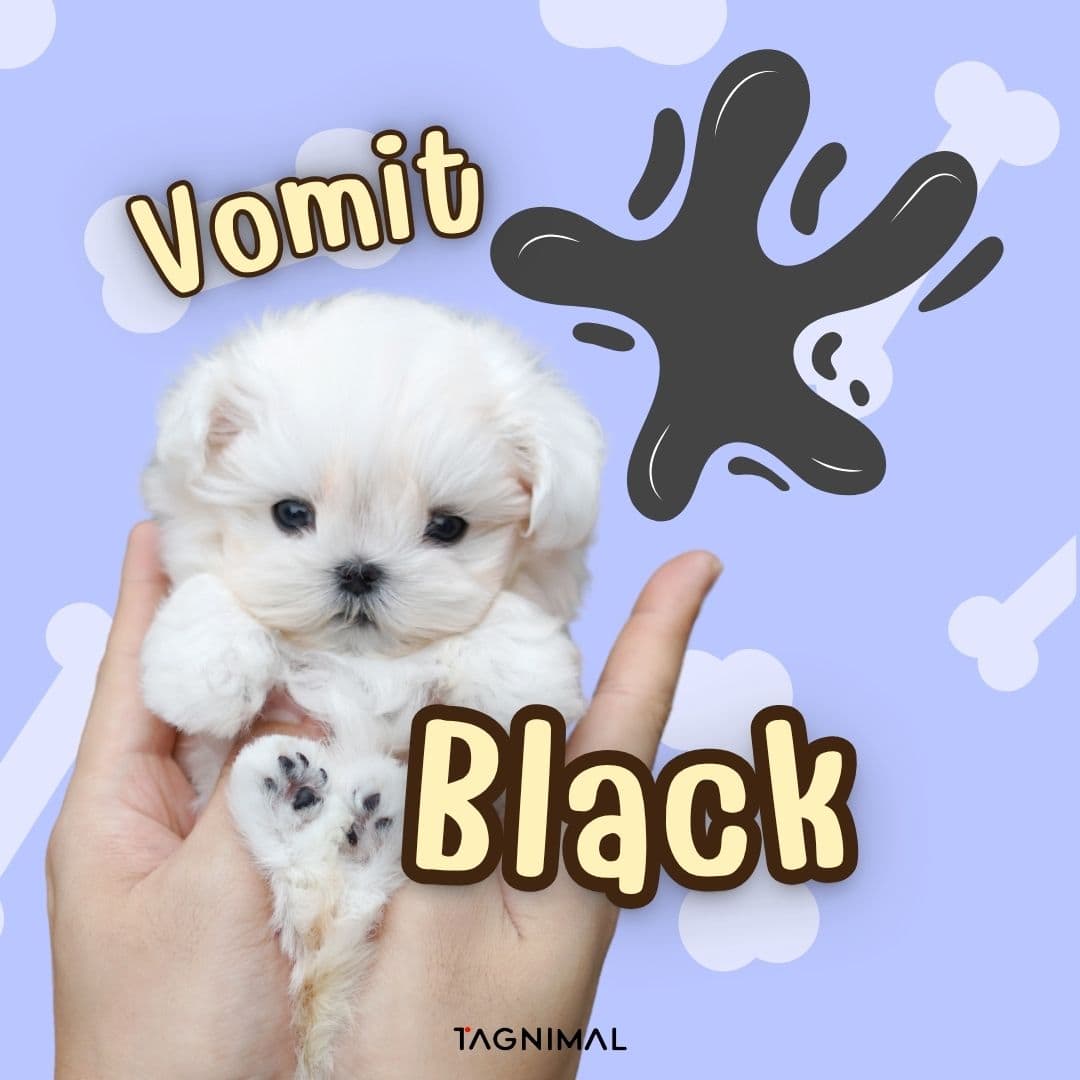
Dark vomit, especially if it looks like coffee grounds, could mean digested blood, a sign of internal bleeding, or possible intestinal blockage. This is considered an emergency and should be treated right away.
⚪ White or Foamy
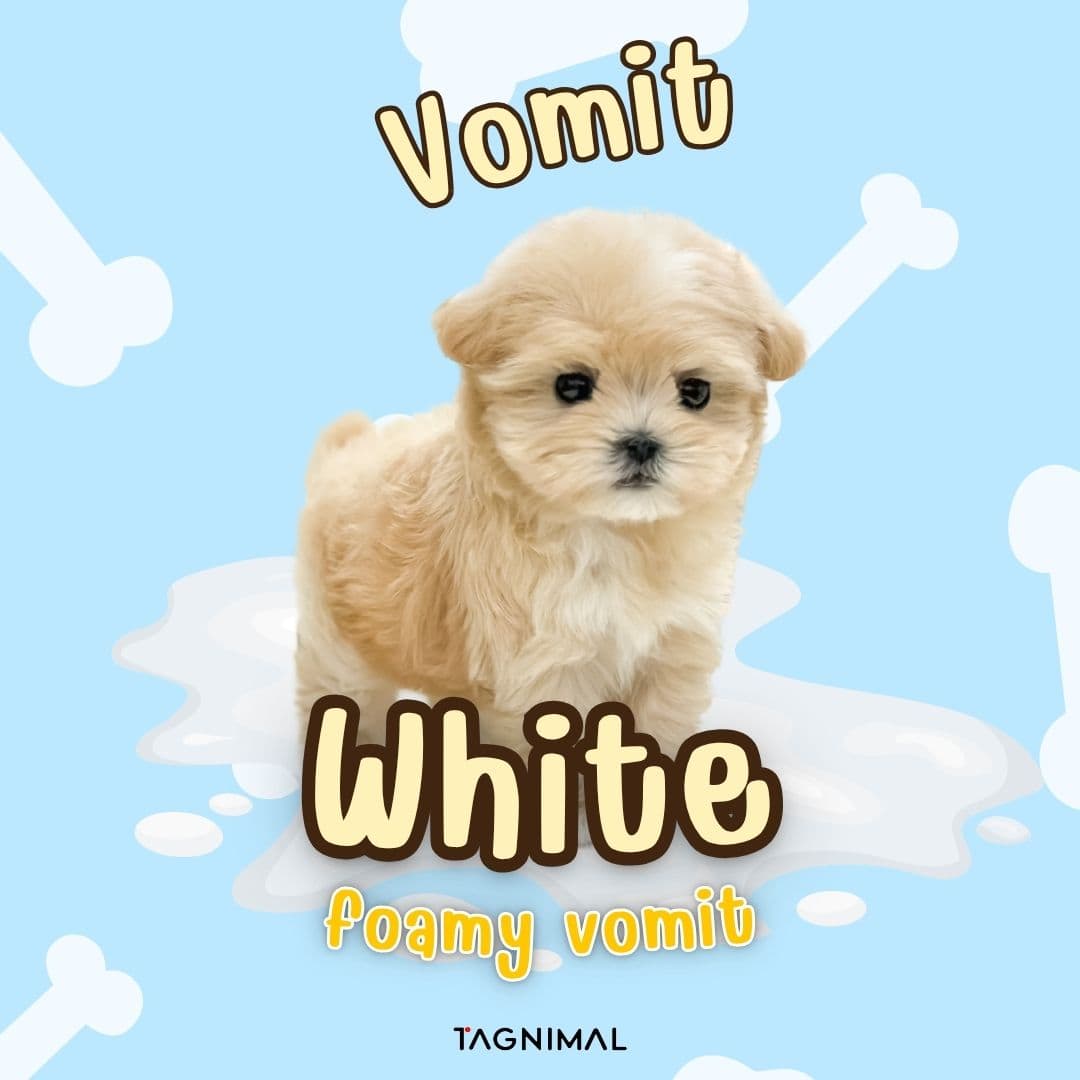
White foam or frothy vomit can result from excess stomach acid or mild reflux. If your dog seems otherwise normal, it may not be urgent. But if it happens regularly, it could be a sign of respiratory or gastrointestinal issues, and a vet visit is recommended.
In Summary
Having some basic knowledge about the different colors of dog vomit is something every pet parent should pay attention to. It can truly benefit your furry friend, sometimes even helping you respond quickly before getting them to the vet.
Loving your dog also means noticing when something seems off. Unusual symptoms like vomiting could be a sign that your pup isn’t feeling well. So don’t ignore the little things—your awareness might just make all the difference. 🐾💛